about : Upload
Drag and drop your PDF or image, or select it manually from your device via the dashboard. You can also connect to our API or document processing pipeline through Dropbox, Google Drive, Amazon S3, or Microsoft OneDrive.
Verify in Seconds
Our system instantly analyzes the document using advanced AI to detect fraud. It examines metadata, text structure, embedded signatures, and potential manipulation.
Get Results
Receive a detailed report on the document's authenticity—directly in the dashboard or via webhook. See exactly what was checked and why, with full transparency.
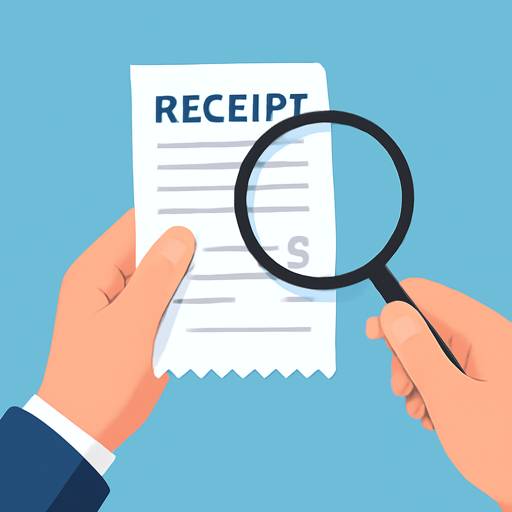
How advanced technical checks and AI reveal a fake receipt
To reliably detect a fake receipt, modern systems combine human insight with machine-driven analysis. The process begins with a pixel- and data-level inspection. When a PDF or image is uploaded, the system parses the file for metadata such as creation and modification timestamps, software used to produce the file, embedded fonts and layers, and any inconsistencies between reported timestamps and transaction times. These invisible clues often reveal post-creation edits or suspicious origins. Optical character recognition (OCR) extracts every line of text so natural language processing (NLP) can analyze syntax, formatting patterns, merchant naming conventions, and pricing logic. Deviations from expected patterns — for example, uniform spacing that looks machine-inserted, mismatched currency formats, or improbable tax calculations — raise flags.
Image forensics further strengthens detection. Algorithms assess compression artifacts, color histograms, and layer inconsistencies that indicate copy-paste operations or cloned logos. Signature and logo verification uses pattern matching against known authentic examples; subtle differences in stroke width or alignment can identify manipulated images. For receipts that claim to include barcodes or QR codes, validation includes decoding the barcode, verifying data contents, and checking whether the encoded reference points to a real transaction record. Cross-referencing with external sources — such as merchant databases, POS patterns, and public receipts — provides contextual validation. Combining these techniques, AI assigns a confidence score and highlights suspicious elements, producing an audit trail that investigators can use to justify rejections or request follow-up documentation.
Practical verification steps for consumers and businesses to prevent receipt fraud
Detecting fake receipts starts with establishing repeatable verification workflows that scale across teams. At the user level, simple habits reduce risk: request receipts in the original digital format, check that merchant names match known accounts or emails, verify transaction timestamps against bank statements, and confirm that tax and totals follow logical arithmetic. For businesses processing many submissions, automation is essential. Systems should allow bulk uploads via drag-and-drop or direct integrations with cloud storage providers so receipts flow into a centralized verification queue. Automated OCR and rule-based filters handle routine checks, while suspicious items are escalated to human review for pattern analysis and contextual decisions.
Integrate APIs and webhooks to receive real-time alerts when a document fails authenticity checks, enabling quick follow-up with the submitter. When configuring rules, include checks for altered timestamps, inconsistent font usage, duplicated receipt IDs across different accounts, mismatched VAT or tax calculations, and anomalies in merchant contact details. Train teams to look for behavioral red flags too: repeated submissions from the same IP, slightly altered copies of a previously accepted receipt, or unusually high-value claims from rarely-used vendors. Use two-factor verification for high-risk reimbursements — for example, require a bank statement or merchant confirmation email alongside the receipt. A layered approach combining automated detection with manual oversight dramatically reduces false positives while making it difficult for fraudsters to succeed.
Real-world examples and case studies that show what works
Understanding how detection plays out in practice helps clarify which defenses are most effective. In one anonymized case, a mid-size company experienced a spike in travel expense claims that included receipts with perfectly formatted logos but inconsistent metadata. Automated checks flagged these files because the creation timestamps were created long after the claimed travel dates and the embedded fonts did not match the merchant’s typical invoices. A follow-up cross-check with the merchant’s invoicing system revealed the receipts belonged to a different chain entirely; the expense claims were rejected and recovered.
Another example involves an online marketplace where sellers submitted fabricated purchase receipts to game listing algorithms. Image forensics detected repeated compression signatures and cloned barcodes. The marketplace implemented mandatory barcode decoding and transaction ID verification tied to merchant APIs. Fraudulent listings dropped by more than half within weeks, demonstrating the impact of targeted checks. Small businesses have also benefited: a boutique retailer adopted a simple pipeline that required digital receipts to be uploaded via a secure dashboard, passed through OCR and metadata analysis, and matched against POS records. This prevented an employee from submitting altered receipts for reimbursement and provided clear evidence for policy enforcement.
Tools that unify upload, verification, and reporting simplify these processes. For organizations seeking a streamlined solution, services that let you detect fake receipt integrate scanning, AI analysis, and webhook reporting to provide transparent, auditable results that make fraud harder to hide and easier to contest.

Lagos-born, Berlin-educated electrical engineer who blogs about AI fairness, Bundesliga tactics, and jollof-rice chemistry with the same infectious enthusiasm. Felix moonlights as a spoken-word performer and volunteers at a local makerspace teaching kids to solder recycled electronics into art.